Achieving Excellence in Collision Repair: Pro Tips for a Flawless Outcome
Mastering collision repair requires a precise balance of techniques, tools, and safety measures. From selecting the right hammers to mastering paint matching, every step plays a vital role in delivering a perfect result. Professionals understand that preparation and attention to detail can make or break the outcome. Still, numerous technicians ignore widespread errors that can diminish the quality of their repairs. Understanding these nuances can transform the repair process and elevate results beyond expectations. What sets exceptional work apart?
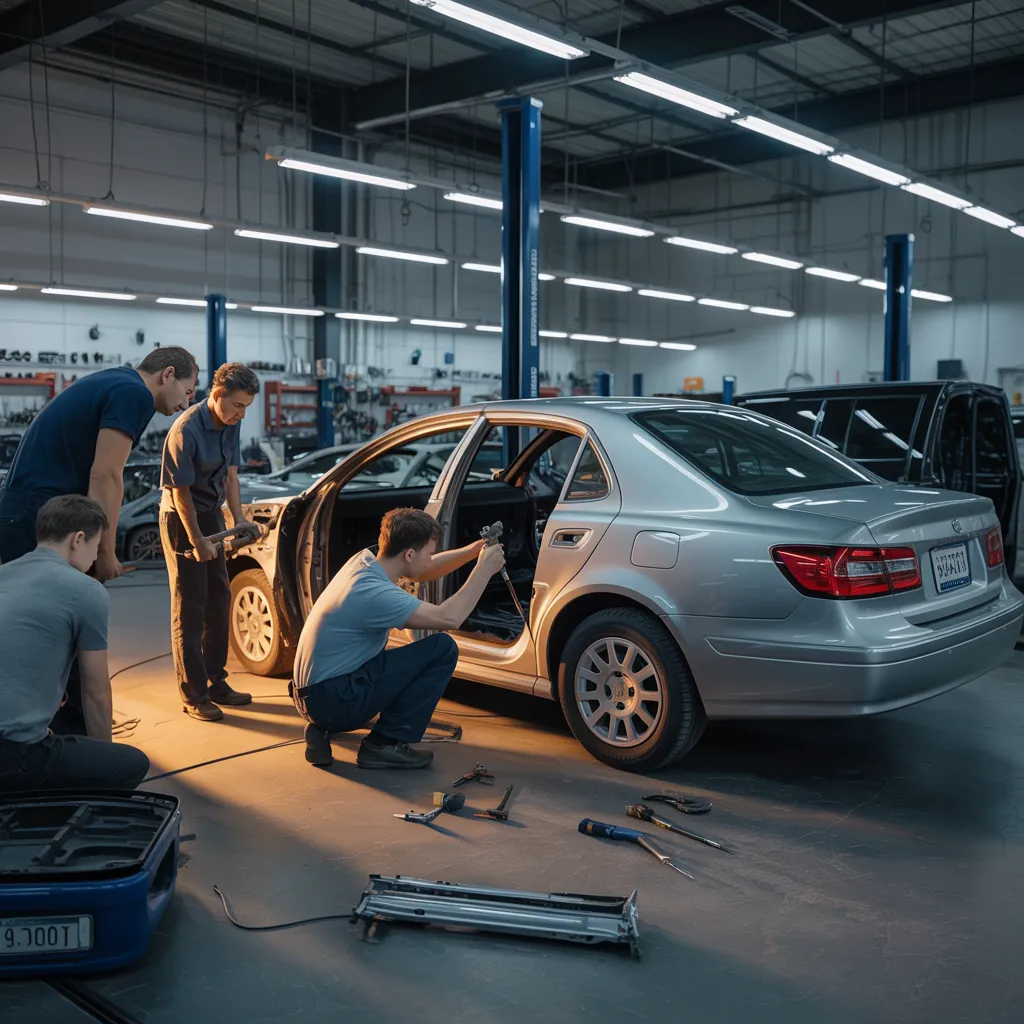
Selecting the Best Tools for Collision Repair
When choosing tools for auto body repair, mechanics must evaluate both quality and performance to guarantee successful outcomes. The right tools not only enhance efficiency but also assure precision in repairs. Key tools include pullers, hammers, and dollies, which are essential for reshaping damaged body panels. Moreover, air-powered tools can significantly accelerate repair processes, making sanding and grinding tasks more manageable.
Adhesives and sealants are essential in ensuring a long-lasting result, while measuring tools guarantee accuracy in proper fit and alignment. Protective gear, including gloves and goggles, is just as critical to keep technicians safe throughout the repair process. Purchasing high-grade tools lowers the likelihood of harm to the vehicle and enhances the general quality of the repair. By carefully selecting appropriate tools, technicians can successfully return vehicles to their prior state, encouraging both functional integrity and aesthetic quality.
Body Repair Methods: A Comprehensive Step-by-Step Guide
In the domain of collision repair, understanding body repair techniques is vital for achieving the best results. This guide outlines the necessary tools required, the necessary steps for surface preparation, and efficient painting methods. By mastering these elements, professionals can ensure a superior finish and restore vehicles to their original condition.
Required Essential Tools
A well-equipped workshop is essential for efficient collision repair, as the right tools can significantly elevate the quality of the work. Key tools include a top-grade hydraulic jack for hoisting vehicles, providing easy access to damaged areas. A selection of hand tools, such as wrenches, pliers, and screwdrivers, are essential for disassembling components. Additionally, a pneumatic sander is required for refining surfaces, while a body hammer and dolly set are essential for recontouring metal panels. A paint gun is indispensable for laying down finishes, complemented by a good-quality respirator for safety. Finally, a dependable workbench offers a stable surface for repairs and assembly. Investing in these tools establishes the groundwork for successful collision repair.
Steps for Surface Preparation
Properly preparing the surface is critical for obtaining a perfect finish in collision repair. The primary step involves complete cleaning to eliminate dirt, grease, and contaminants that could affect adhesion. Following this, any damaged areas must be sanded down to create a smooth, even surface. This often requires using a mixture of coarse and fine grit sandpaper. After sanding, it's essential to remove dust and debris, typically with a clean cloth or compressed air. For deeper scratches or dents, body filler can be utilized, followed by further sanding to guarantee a seamless change. Finally, a proper primer should be used to promote paint adhesion and protect the repair. This detailed process establishes the groundwork for a professional paint job.
An Overview of Painting Techniques
Perfecting the craft of painting techniques is essential for attaining a flawless outcome in collision repair. Several techniques are available, each tailored to specific conditions and desired outcomes. Spray-based painting stands as the most widely used technique, allowing for uniform coverage and fast drying times. Methods like overlapping spray patterns ensure consistent layering, while the use of several light coats helps avoid drips and runs. Moreover, the decision on paint type, whether solvent-based or waterborne, can impact both appearance and environmental compliance. A regulated workspace, including proper ventilation and temperature, is critical for superior paint adhesion and results. In conclusion, careful examination post-application ensures issues are identified and resolved quickly, contributing to a perfect end result.
Auto Collision Repair: Basics of Paint Matching
When handling collision repair, obtaining a perfect paint match is critical for preserving the car's aesthetic and market value. The process begins with finding the automobile's original paint code, commonly placed on a tag inside the door jamb or under the hood. This code serves as a reference point for choosing the correct paint formula.
Next, specialists commonly utilize precision color analyzers to assess the existing paint and secure an accurate match. This tool identifies the fine color details, accounting for aspects including sun damage and environmental factors. Once the ideal paint match is determined, it's imperative to try it on a minor, hidden spot prior to complete application.
Blending methods are equally important in achieving a smooth and even finish. By carefully feathering the border areas and applying different spray patterns, technicians can diminish the appearance of the repair. In the end, a thorough approach to color matching not only elevates the overall appearance but also contributes to the automobile's long-term value.
Top Safety Tips for Collision Repair
In auto body repair, prioritizing safety is critical to creating a protected workspace. Key practices include the use of proper personal protective equipment, keeping a well-organized work area, and following stringent hazardous material handling procedures. Putting these safety practices into action can significantly minimize the hazards related to the collision restoration process.
Appropriate Personal Protective Equipment
A thorough understanding of appropriate personal protective equipment (PPE) is crucial for every technician working in collision repair. This gear protects workers from the many risks associated with the repair environment. Key items include safety glasses designed to guard the eyes against flying particles, protective gloves that minimize contact with hazardous chemicals and sharp materials, and breathing masks that remove dangerous fumes and dust particles. Additionally, durable coveralls protect against paint splatters and other contaminants. Steel-toed boots are essential for foot protection against heavy equipment. Regular training on PPE usage guarantees that workers remain aware of risks and the importance of compliance. By placing importance on appropriate PPE, technicians can greatly reduce the likelihood of injuries and enhance overall workplace safety.
Safe Workspace Organization
The right personal protective equipment forms the basis for find the information a safe work environment, but workspace organization plays a significant role in minimizing hazards as well. A clutter-free area allows technicians to move freely, minimizing the chances of slips and falls. Tools must be kept in assigned storage areas, ensuring easy access and preventing misplaced items that could cause accidents. Work areas should remain free of debris and combustible materials, as sufficient lighting boosts visibility and reinforces overall safety. Additionally, signage indicating hazardous areas or required equipment can serve as helpful reminders. Through the commitment to an orderly workspace, collision repair specialists not only boost their efficiency but also cultivate a safer setting for themselves and their fellow team members.
Hazardous Material Handling Procedures
Managing hazardous materials necessitates strict adherence to protective measures to ensure the well-being of technicians and the work environment. Proper training is vital; technicians should be proficient in Material Safety Data Sheets (MSDS) to identify the risks associated with each substance. Personal protective equipment (PPE) such as gloves, goggles, and respirators are required at all times when working with chemicals. Air circulation is crucial; workspaces should be fitted with adequate exhaust systems to mitigate inhalation risks. Spill containment kits should be readily available and staff instructed in their use. Regular assessments of hazardous materials storage areas confirm compliance and safety. By following these procedures, collision repair technicians can considerably decrease the risk of accidents and create a safer working environment.
Don't Make These Typical Mistakes in Collision Repair
Working through the intricacies of collision repair necessitates an awareness of typical errors that can diminish the integrity of the work. One common pitfall is disregarding proper surface preparation, which can lead to poor attachment of paint and coatings. Neglecting to adequately clean, sand, and prime surfaces may result in uneven finishes or paint deterioration.
One frequent mistake concerns the use of improper materials. It is essential for technicians to confirm they are using the appropriate filler, paint, and clear coat suitable for the vehicle's specifications. Misjudging drying times can also be detrimental; rushing the process may cause defects such as runs or fish eyes.
Furthermore, a lack of attention to detail during the assembly and alignment process can lead to misfitting parts. Confirming that components are correctly aligned not only strengthens the aesthetic quality but also secures overall safety. Preventing these common mistakes is critical for delivering a high-quality collision repair outcome.
How to Attain a High-Quality Professional Finish
Obtaining a professional-quality finish in vehicle collision restoration relies on careful attention to detail and following proven methods. To begin, surface preparation is fundamental; this consists of sanding, cleaning, and ensuring the area is clear of contaminants. Utilizing quality paints and primers specifically made for auto body applications significantly improves the final appearance.
Additionally, the application technique must be consistent; using spray guns at the proper distance and angle ensures an even coating. Multiple thin layers are preferable to a single thick one, given that it significantly decreases the likelihood of runs and drips.
Once painting is complete, correct curing becomes vital. Allowing adequate drying time eliminates flaws and secures durability. Lastly, buffing and polishing help perfect the surface, improving luster and richness.
Commonly Asked Questions
How Much Time Does a Standard Collision Repair Require?
A standard vehicle repair generally takes between a few days to several weeks, subject to the severity of the damage, whether parts are readily available, and the workshop's existing commitments, to ensure the vehicle is restored with quality and care.
What Costs Can You Expect With Collision Repair?
Auto collision repair costs can vary widely, typically ranging from a few hundred to several thousand dollars. Factors influencing expenses include the extent of the damage, the parts needed for repair, applicable labor charges, and whether the car is protected by insurance or an active warranty.
Can Collision Repairs Be Done at Home?
Absolutely, doing vehicle collision fixes at home is achievable, but it requires proper skills, tools, and safety measures. In addition, being aware of local regulations and insurance policies is essential to ensure compliance and avoid potential legal issues.
How Do I Avoid Future Collisions?
To avoid future accidents, individuals should keep a safe distance from the vehicle ahead, adhere to speed limits, eliminate distractions, make effective use of vehicle mirrors, and keep a close watch on surrounding traffic, ultimately promoting safer driving habits.
Which Insurance Policies Cover Collision Repair Costs?
Collision repair costs are typically covered by collision insurance, which provides coverage for damages caused by accidents. Furthermore, broad insurance coverage may address non-collision incidents, providing wider protection for vehicle repairs and associated expenses.
Comments on “affordable Houston Collision Repair for your vehicle”